The Olympics – are they worth it? And where’s next?
by Andrew Kinloch
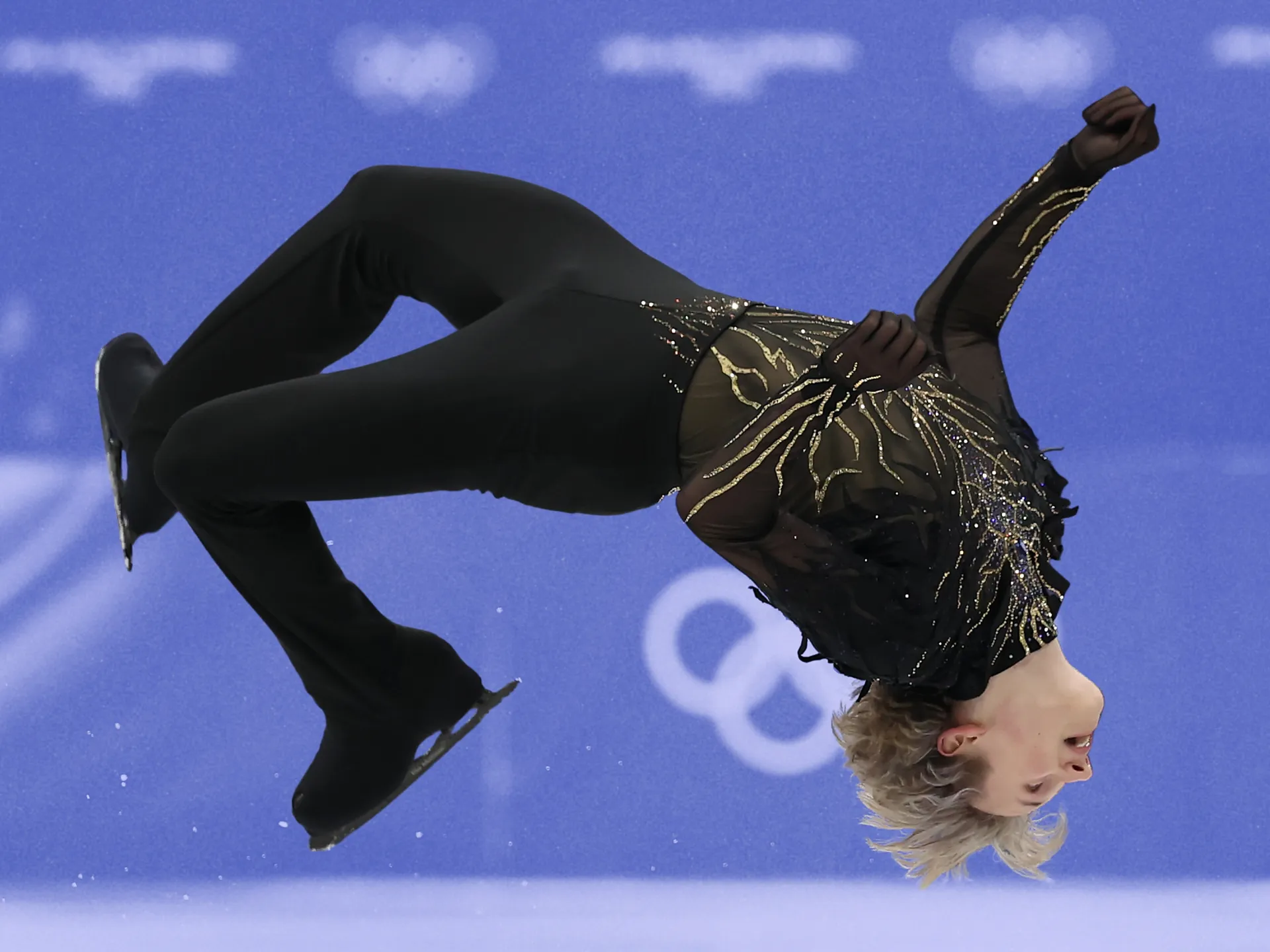
Don't try this at home
The Milano Cortina d’Ampezzo Winter Olympics are upon us and behind the wonder – how does Ilia Malinin do that? – and the drama – as I write, Lindsey Vonn has just been airlifted out of a women’s downhill for the second time in nine days – is the equally unfathomable question – are the games good value? (Spoiler: I’m a fan but then I’m not paying.)
The cost / benefit analysis breaks down into four distinct segments:
In terms of the revenues over the two weeks that the games last, the host and its community get a perhaps $1 billion share from the IOC’s sale of multi – year broadcast rights; sponsorship; ticket revenues (a snip at €50 for many events, in total a modest 13% of expected revenues); and the spike in accommodation and F & B, all of which taken together are needed to cover operating costs such as temporary labour and which are estimated at €1.7 – 1.9 billion for these, the XXV winter games (Paris in 2024 was summer XXXIII).
Add the intangible, but nonetheless real, benefits in the thrill of being there, the enjoyment for those Worldwide watching from a safe distance, the undoubted kudos of hosting (if it goes well), the broadening of the host’s profile for future tourism, etc. Understandably, this is never revealed or most probably never calculated in the first place.
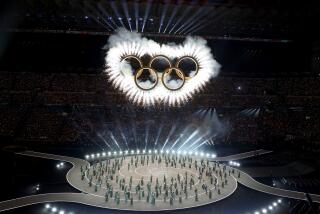
The opening ceremony
In terms of the costs, if taken in isolation the cost of building the sporting infrastructure necessary for the games is often difficult to justify. How many people will use it later? What does reasonable cost even mean for such unusual facilities? Unreasonable cost, on the other hand, is clearer. Consider the ice track at San Sicario which was built at a cost of €110 million for the Turin games in 2006 but closed a mere five years later, perhaps due to lack of use (the International Bobsleigh and Skeleton Federation recognises a mere 1,100 athletes Worldwide). It could have been reopened for the current games at a cost of €35 million but, no, Milan and Turin couldn’t agree on how to cooperate (why didn’t the central government step in?) so Cortina’s Eugenio Monti track has instead been renovated at a cost of €120 million. (All venues run the risk of not being used too much after the big event.)
Usually included in the usually alarming cost estimate (€3.5 billion for these games across both categories of infrastructure) is the cost of building / upgrading the transport and accommodation infrastructure surrounding the event. This should be viable in its own right. Accommodation can be reused, perhaps once repurposed from athletes’ to students’ needs (if there is a university nearby), for example. Road and rail links to somewhere useful can save time many years into the future. Wholesale build outs of infrastructure can regenerate entire areas with real estate developed then sold on, such as in Stratford post London 2012. The hard date of an Olympics forces decisions to be taken (and can create hostages to contractors). The benefits, not least increases in nearby real estate, can dwarf the catalyst that is the games themselves.
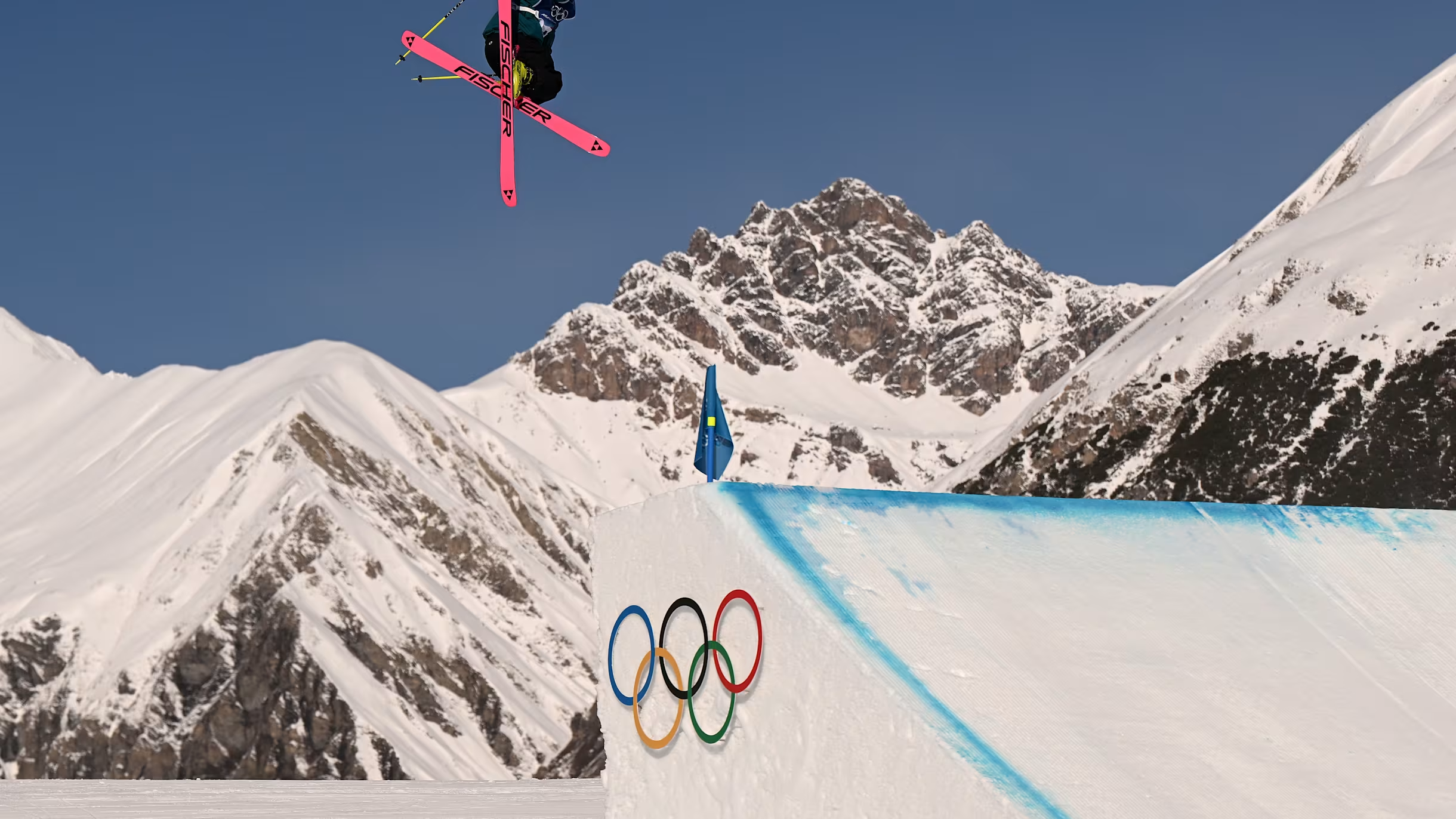
Almost missed
Despite their very different objectives and time horizons, the four segments do add to a synchronised funding requirement. Taken together, Milano Cortina is expected to need perhaps €5 billion ($6 billion), comparatively modest compared to earlier winter games such as PyeongChang in 2018 ($12.9 billion) or Sochi in 2014 (allegedly $50 billion: one imagines that there was some leakage …). To this funding, add some sort of estimates of the external, non – monetary costs and benefits and you get some very big, very political decisions to be made. Some practical conclusions can nonetheless be drawn.
Use, perhaps refurbish, sporting infrastructure already in place.
Have a region, rather than a city as has been traditional, host the games. Thus, Milan and Cortina, which are 400 km apart, collaborated and each had a cauldron to light.
Ensure that, if new infrastructure is to be built, do so with an eye on its utility post the games (unlike parts of Atlanta post 1996 or Rio post 2016). As mentioned, this may involve repurposing them to something more useful to the everyday punter.
Control construction costs through all of the well – established disciplines of allowing plenty of time (the Apollonio–Socrepes cable car won’t be ready for these games so schools may close so as to ease pressure on the pre-existing transport), running bids from competent counterparties, ensuring tight control in contracts over cost overruns and delay and, above all, get the specification right in the first place then stick to it.
Governments should share, on a sensible basis, the risk and financing burden with the private sector but specific central government support for the city / region remains vital.
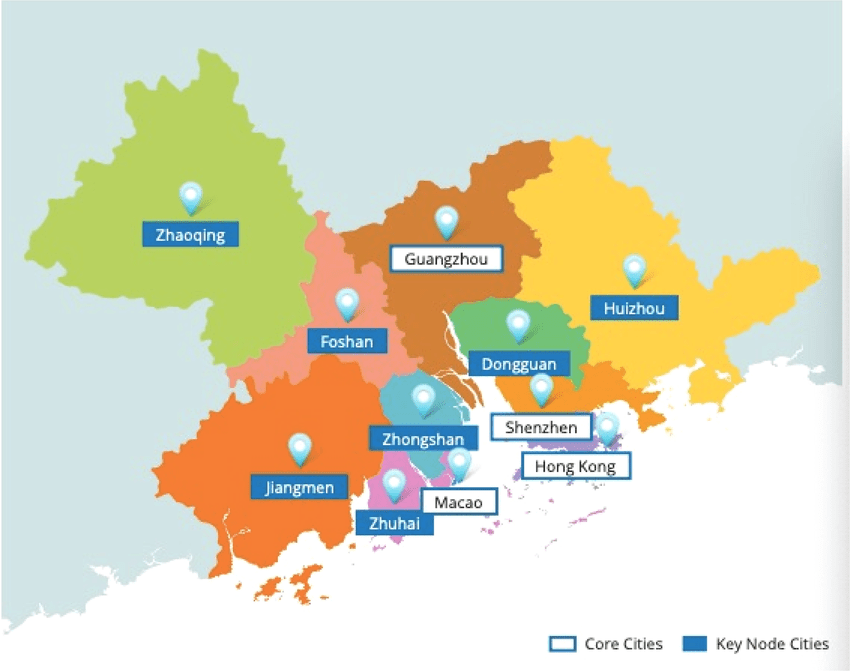
The GBA
The next summer games will be in LA in 2028 then in Brisbane (plus no doubt the Gold Coast) in 2032 but much thought is already being given to where the 2036 games should be held. The Association of National Olympic Committees, which comprises 206 countries’ national committees, will meet in Hong Kong this coming December for good reason because, at this early stage, China’s Great Bay Area looks a strong contender.
The GBA comprises the two SARs of Hong Kong and Macau plus nine further cities clustered around the Pearl River delta in Guangdong province (hence the ”9 + 2 city cluster”). Comparisons with Tokyo / Yokohama or the San Francisco bay area may still be fanciful but the population of the GBA exceeds 86 million (bigger than any European country). International access will hopefully be easier than it was for Beijing in 2008; domestic demand should be strong as was seen when the GBA hosted China’s National Games three months ago. Transport links are already strong and the games may even boost the beleaguered HK – Zhuhai – Macau bridge. Macau alone has 45,000 hotel beds, already more than the IOC requirement of 40,000.
As ever, politics will be central to the decision. Beijing has hosted twice recently, in 2008 and 2022, so maybe it is someone else’s turn but China has been prepared to spend – operating costs at the summer games in 2008 hit an estimated $4 billion. Other tentative contenders currently include Doha (big enough? The 2022 FIFA World Cup was quite controversial); Ahmedabad (would need massive central government support and might get it if from Narendra Modi); Istanbul (can it afford it?); Nusantara (needs to build everything, even the city itself, first); Santiago (plausible with Pan American Games experience); perhaps even Manchester if Keely Hodgkinson and Andy Burnham get their way.
The concept of the Olympics, both summer and winter, has grown like Topsy over recent years, in ambition but also in cost. Behind the adrenaline and glamour, whether the decision making process is shared with the tax – paying public or not, projected cash flows in and out plus external, non – monetary costs and benefits need to be evaluated and risks allocated with the burden shared across a wide variety of players in the public and private sector. Which is what the discipline of infrastructure finance is all about. 2036 is a mere ten years away but Logie Group will be there.
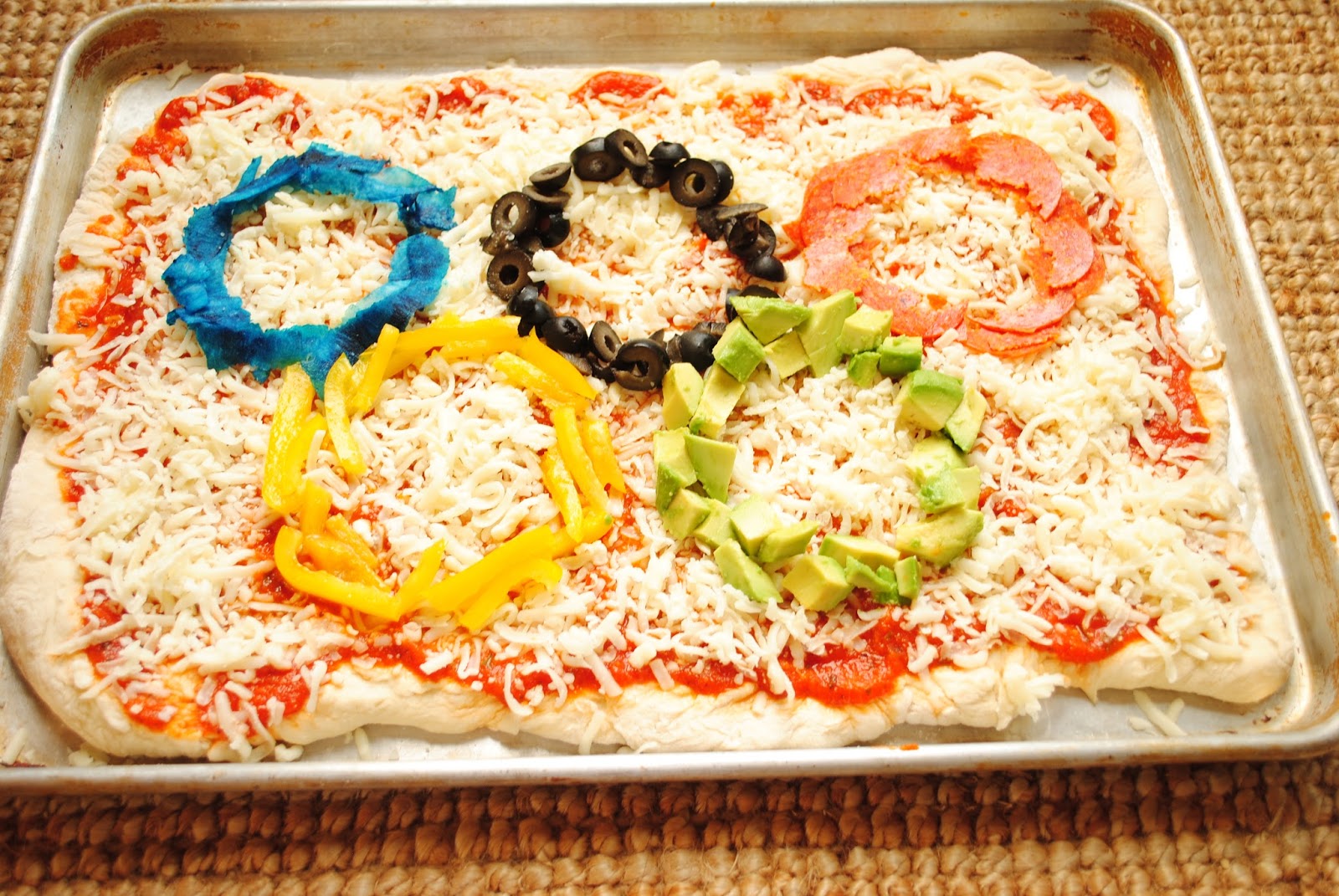
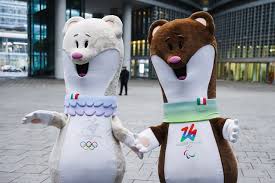
Lastly, there’s the important stuff such as the commemorative pizzas and the mascots, Tina and Milo, who are apparently stoats …